Artificial Intelligence, AI – Time Saver or Accelerator of Tenant Disputes?

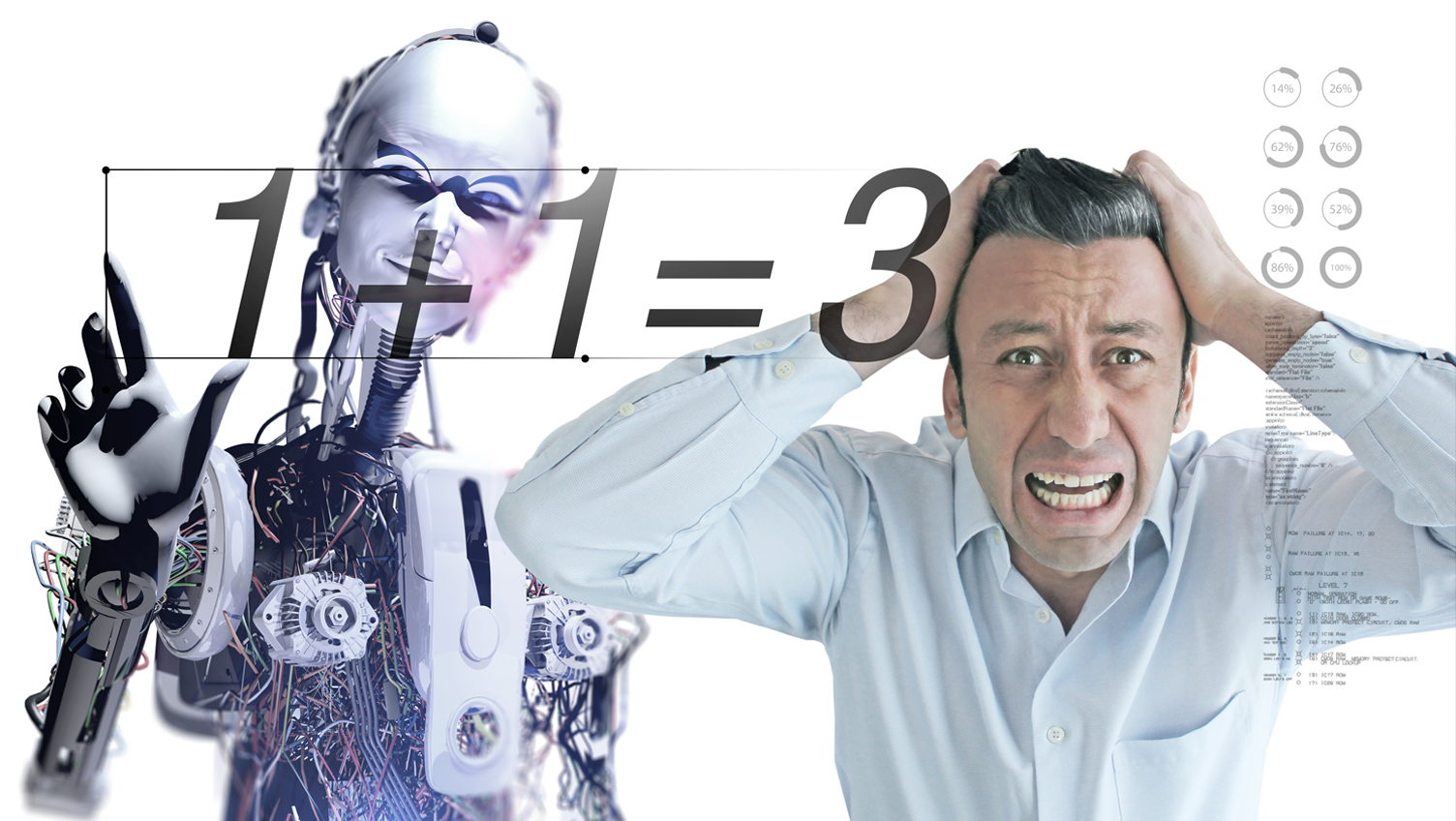
The year 2026 has seen a sharp rise in “Agentic AI” across the PropTech sector. On paper, the appeal is obvious: what used to take a property manager two hours; like completing an inspection report; can now be reduced to a 30-second automated upload.
But as adoption accelerates, a more complicated picture is emerging. For all its efficiency, AI is also introducing new risks that many teams are only now beginning to see in practice. In particular, fully automated property inspection reports are creating what could be described as “algorithmic blind spots”; small errors or omissions that can quietly escalate into costly disputes later on.
The “Hallucination” Problem: When AI Gets It Wrong
One of the most important limitations of current AI systems is what’s known as hallucination, where the model confidently reports something that simply isn’t accurate.
While AI performs well on structured, straightforward tasks (like reading a meter or organising data), accuracy can drop when it’s asked to interpret condition or damage.
This can lead to issues in both directions:
- False positives: AI may misread shadows, reflections, or lighting as damage, flagging issues that don’t exist and potentially triggering unnecessary repair work or tenant disputes.
- Missed defects: On the flip side, subtle or unusual damage that doesn’t match familiar patterns can be overlooked entirely, with items incorrectly marked as “good condition.”
Important legal context (2026): Increasingly, courts and adjudicators are treating statements in automated reports as binding representations. If a report claims a property is “free from damp,” that assertion may carry legal weight, even if it originated from an AI error.
The Sensory Gap: What AI Can’t Pick Up
Most AI inspection tools rely heavily on visual inputs; photos and video. The problem is that property condition isn’t purely visual.
There are still several things AI simply can’t assess:
- Smell and air quality: Issues like damp, smoke, or pet odours often appear long before visible damage does.
- Physical feel: A floorboard that flexes, a loose handle, or a radiator that isn’t heating properly can’t be reliably detected through imagery alone.
- Hidden problem areas: Under updated housing safety expectations (including stricter damp and mould responsibilities), inspectors are expected to check behind furniture, inside cupboards, and other less obvious spaces…areas AI may overlook if not explicitly guided.
The Evidence Challenge: Why Reports Get Scrutinised
With the introduction of stronger tenant protections under the Renters’ Rights framework in 2026, the quality and reliability of inspection evidence has become more important than ever.
In disputes, AI-generated reports can sometimes carry less weight unless they are supported by human oversight. That’s not because the technology is inherently unreliable, but because of how evidence is tested.
Here’s where AI-only reports often fall short:
| Area | AI-Only Report |
Human-Led Report |
| Explanation | Cannot be questioned or cross-examined | Inspector can clarify findings in dispute |
| Context | Struggles with nuance like wear vs. damage | Applies professional judgement |
| Audit trail | May lack clear verification steps | Signed and accountable inspection record |
| Reasoning | Often opaque or “black box” logic | Transparent methodology and checklist-based approach |
The Common Misses: Small Details That Cause Big Problems
Even advanced AI systems tend to miss a few recurring inspection points that can become costly later:
- Sealant and grout issues: Small gaps or deterioration in bathrooms are easy to miss in images but can lead to significant water damage over time.
- Appliance functionality: AI can confirm an appliance exists, but not whether it actually works.
- Fire safety checks: Items like smoke alarms may be visually present but expired or non-functional.
- Cupboard interiors: Damage is often hidden inside units or storage areas that aren’t always clearly captured in standard photos.
The Takeaway: AI Works Best as Support, Not Replacement
There’s no question that AI is transforming how inspections are carried out, and for good reason. The time savings alone are significant.
But in 2026’s increasingly regulated property landscape, relying on AI alone can introduce avoidable risk. The most effective approach is a balanced one: use AI to streamline data capture and organisation, but keep a qualified human firmly in the loop to review, verify, and sign off on the final report.
In short, AI is a powerful assistant, but it shouldn’t be the one making the final call.